
Salary slip with arrears format
Free PDF, Word and Excel template for current pay with an approved retrospective salary adjustment. Filled sample, checks and local editing.
Download or edit this sample
Edit document details
Choose your style
Excel download is an editable text worksheet, not an automatic payroll or tax calculator.What each part means
Effective date
Use the approved revision’s effective date and identify every earlier period affected. If the revision begins mid-month, record the employer-approved partial-month treatment rather than assuming a complete monthly difference.
Earlier paid amounts
Compare prior slips with the revised structure and check previous adjustment payments. A revision reference should link the catch-up amount to a unique record, making duplicate arrears easier to detect.
Current and arrears totals
Keep the INR 45,000 current salary subtotal separate from the INR 4,000 arrears subtotal. Their combined gross figure is INR 49,000; the net calculation must use the deductions approved for the combined payroll.
Current pay with an approved retrospective salary adjustment
A retrospective pay revision can create a catch-up amount for months that have already been paid. This sample distinguishes the current revised salary from arrears released for earlier periods. It is designed for an approved salary difference rather than a missed ordinary bank transfer. Keeping the adjustment period visible helps payroll and the employee avoid treating the additional money as a new recurring allowance.
How the filled example works
Sana’s current earnings total INR 45,000. The approved revision also creates a difference of INR 2,000 for each of July and August, so the arrears paid in September total INR 4,000. Combined gross earnings are INR 49,000. Payroll has entered total deductions of INR 4,200, leaving INR 44,800. The example records zero arrears previously paid against the revision to explain why the entire approved difference is included.
Prepare the supporting record
Keep the revision letter, effective date and earlier payslips beside the adjustment worksheet. Compare the old and revised amounts for each affected month, using the employee’s actual payable days where relevant. Check that a previous partial adjustment has not already settled one month. A two-month label alone is not enough evidence that two identical full-month differences are payable.
Resolve this scenario before issuing
Separate a salary revision from a payroll correction or unpaid transfer. If an earlier payslip already recorded earnings that the bank did not pay, issuing the same earnings again can duplicate the record. If the old salary was genuinely lower before a retrospective approval, the difference belongs in the arrears explanation. Have payroll confirm how the adjustment affects deductions rather than applying the current month’s deduction amount a second time.
How to edit and share the document
Download Word to add a short month-by-month arrears schedule if the actual differences vary. The Excel sample makes the two months and entered figures editable, but it does not recompute past statutory deductions. Check current earnings, total arrears and combined gross pay as separate subtotals before updating net pay. Preserve the revision reference so a later payroll can identify this catch-up payment as already settled.
Payroll record boundaries
Treat each salary period as a separate payroll record. Start with approved attendance and the salary structure, record earnings that belong to the period, and subtract the actual deductions confirmed by payroll. Employer contributions and annual CTC do not automatically belong in cash earnings. Keep reimbursements separately identifiable when they are included in the same bank transfer. The completed slip should explain the transfer amount without suggesting that a sample confirms employment.
Review this scenario
- Read the salary revision approval and effective date.
- Check the affected earlier months individually.
- Subtract any arrears already paid.
- Keep current salary and arrears separately labelled.
- Ask payroll to approve deductions on the adjusted payment.
- Mark the approved revision as settled in the payment record.
Questions about this format
Can this be used for a correction rather than a pay rise?
Yes, if the record describes the correction accurately. Replace the revision wording with the actual correction reference and identify the affected periods. Check the original payslips so the updated document does not record earnings or deductions twice.
Are arrears always the same amount every month?
No. Attendance, a mid-month effective date or earlier partial payments can make monthly differences unequal. Add a dated schedule for the actual amounts, then enter their confirmed total. The two equal INR 2,000 differences are only the fictional example.
Check before you use it
Use payroll-approved figures and an authorised employer signatory. These fictional figures illustrate the layout; statutory deductions, eligibility and payment evidence require separate checking.
- Replace every sample or bracketed field with accurate information.
- Check dates, amounts, identifiers and the intended recipient’s requirements.
- Open the exported file and obtain any required employer, landlord or legal approval.
Questions about this download
Can I edit it in Word?
Yes. DOCX contains editable text. Customized PDF exports preserve the layout as page images; direct English sample PDFs contain searchable text. Neither is a digitally signed document.
Is my entered information uploaded?
Document generation happens in this browser. Optional consented analytics measures actions, never document contents.
Prepared by Feroz Sheikh · 30 September 2026
Related templates
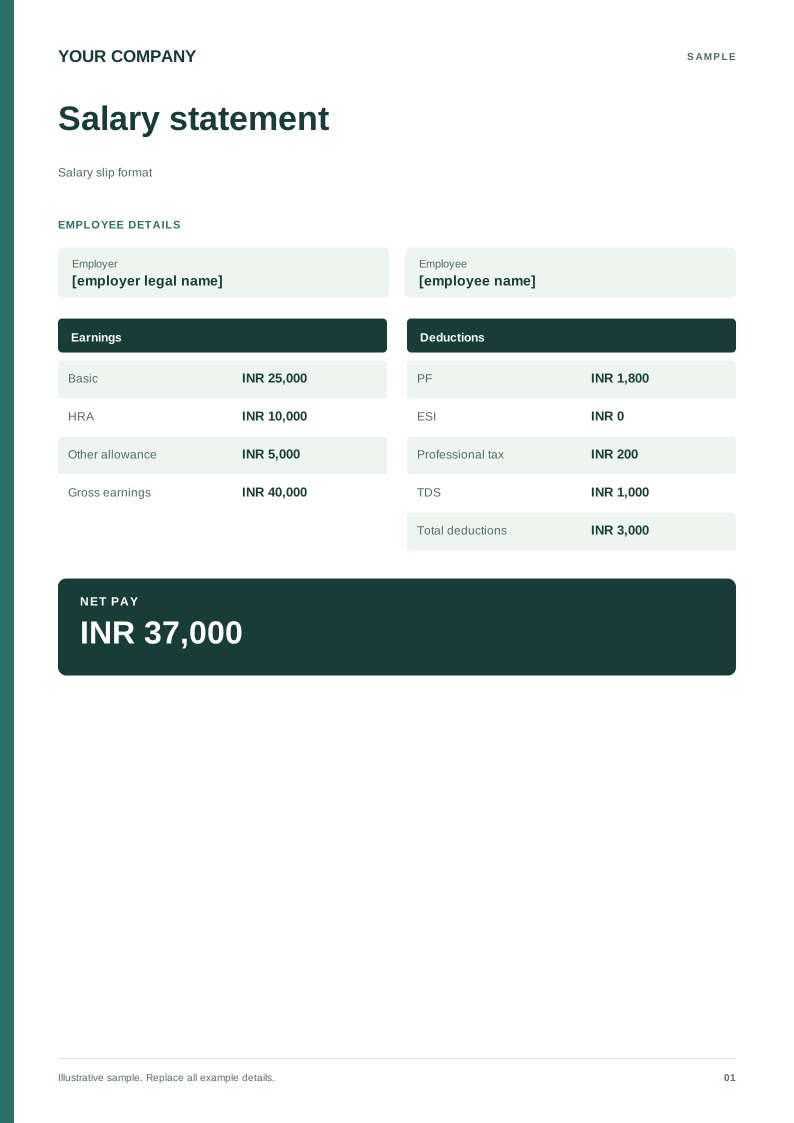 Preview & customize ↗
Salary slip format
A monthly salary record with earnings, deductions and net pay. Free PDF, Word and Excel downloads. Edit a blank or filled sample on your device.
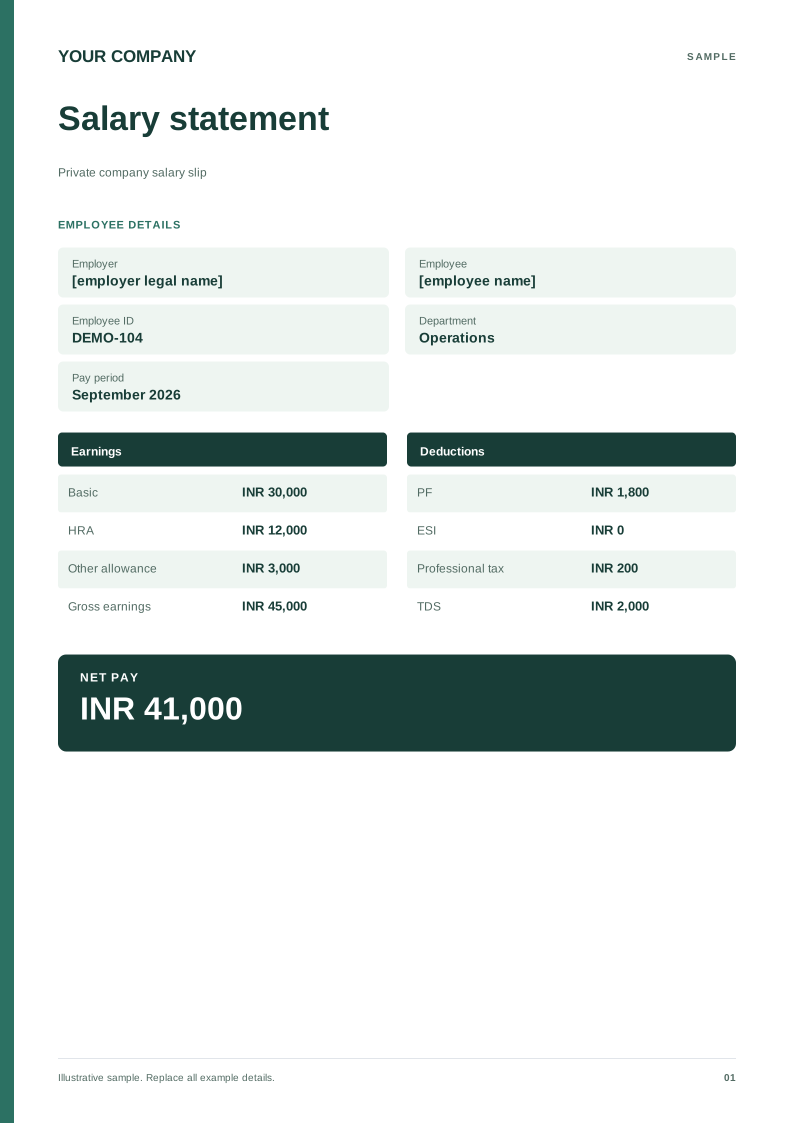 Preview & customize ↗
Private company salary slip
A private employer sample with employee ID, department and pay period. Free PDF, Word and Excel downloads. Edit a blank or filled sample on your device.
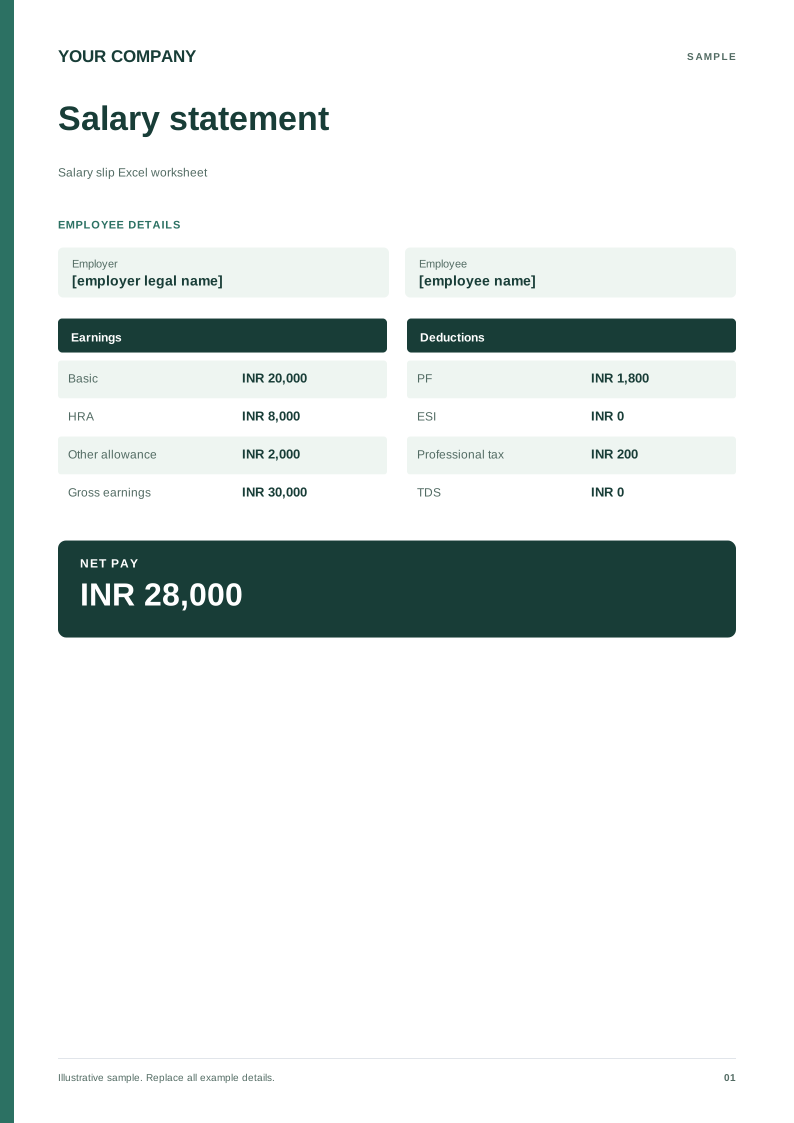 Preview & customize ↗
Salary slip Excel worksheet
An editable field-and-value worksheet for checking monthly payroll figures. Free PDF, Word and Excel downloads. Edit a blank or filled sample on your device.
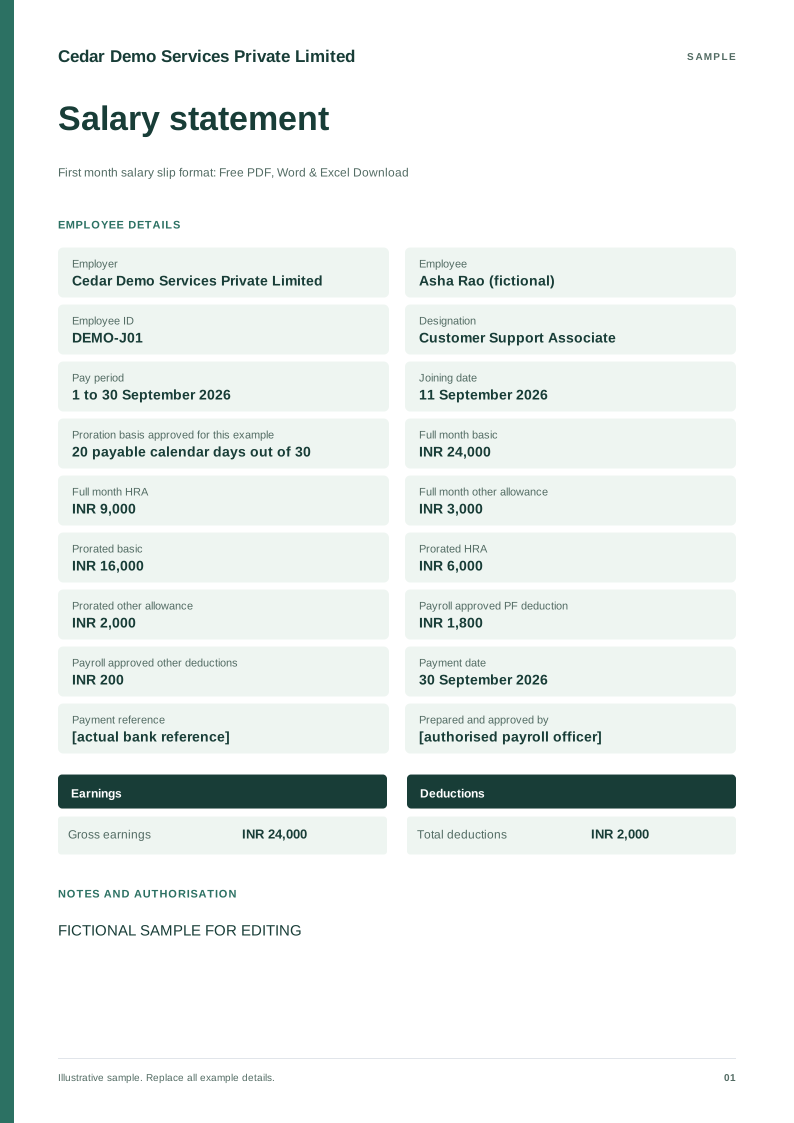 Preview & customize ↗
First month salary slip format
Free PDF, Word and Excel downloads for employee joining during a payroll month. Includes a fictional filled sample, scenario checks and an editable blank version.
 Preview & customize ↗
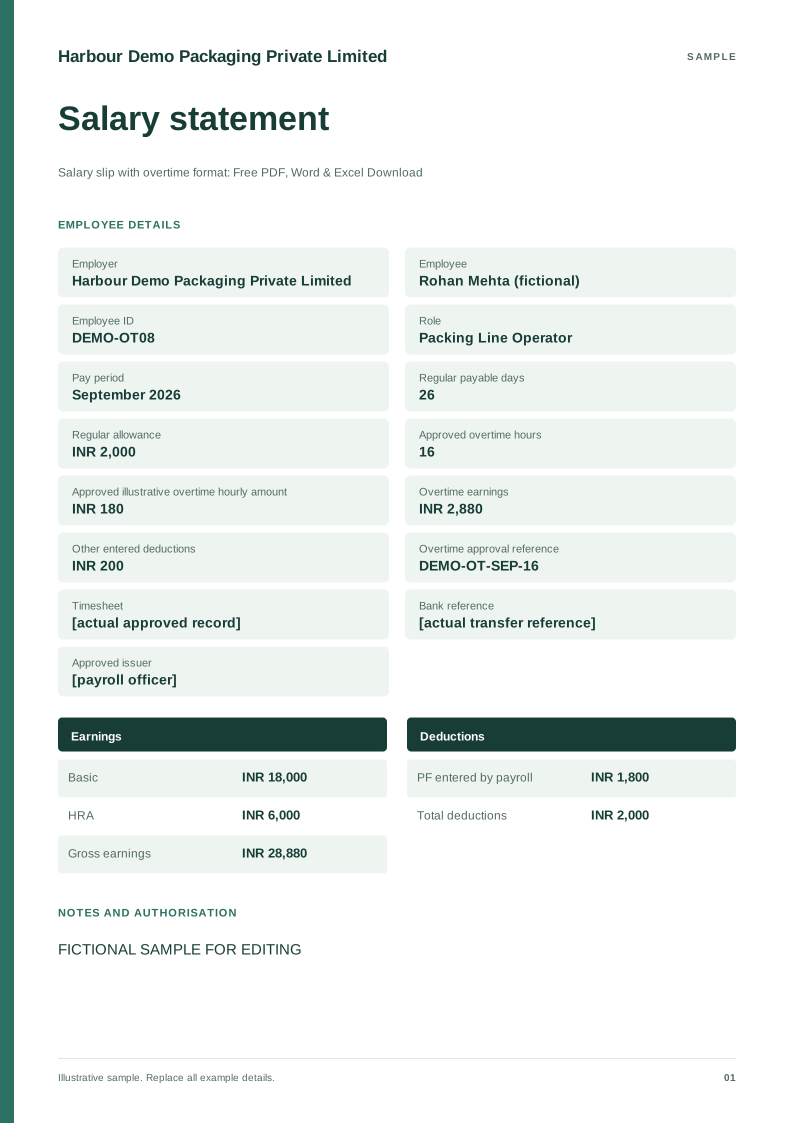
Salary slip with overtime format
Free PDF, Word and Excel template for monthly salary with separately approved overtime. Filled sample, checks and local editing.
 Preview & customize ↗
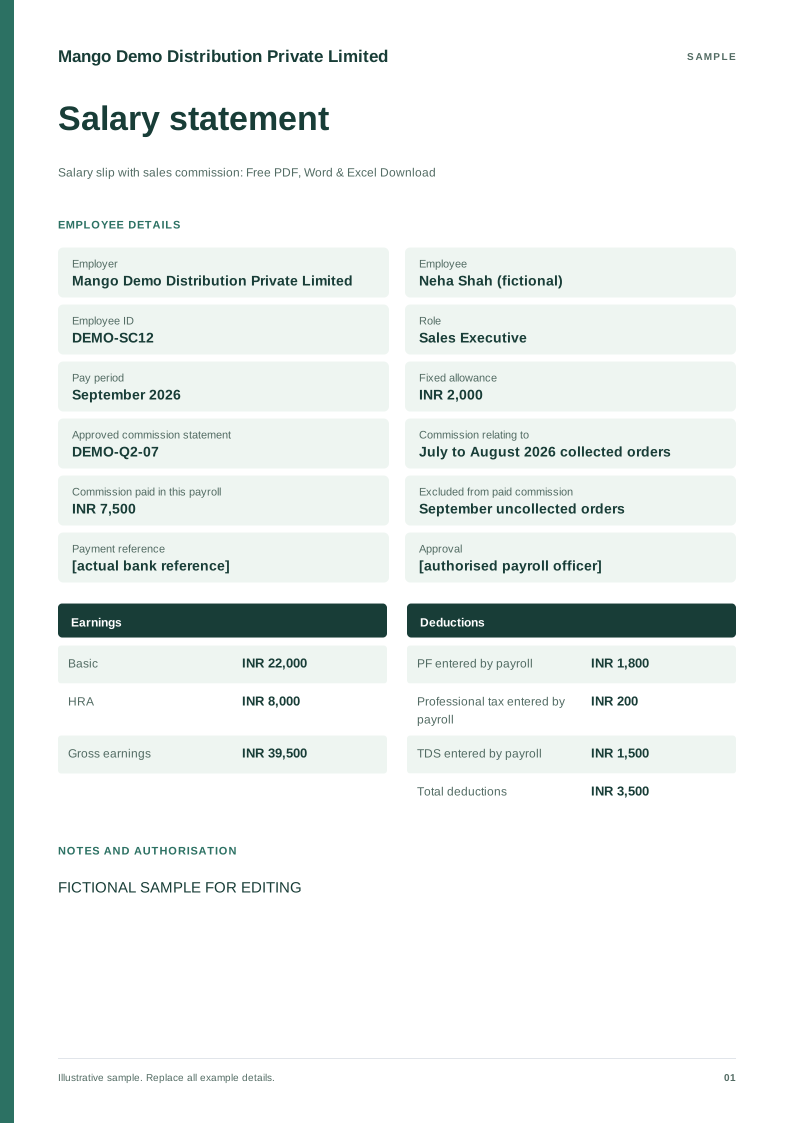
Salary slip with sales commission
Free PDF, Word and Excel template for fixed salary plus commission paid this month. Filled sample, checks and local editing.
 Preview & customize ↗
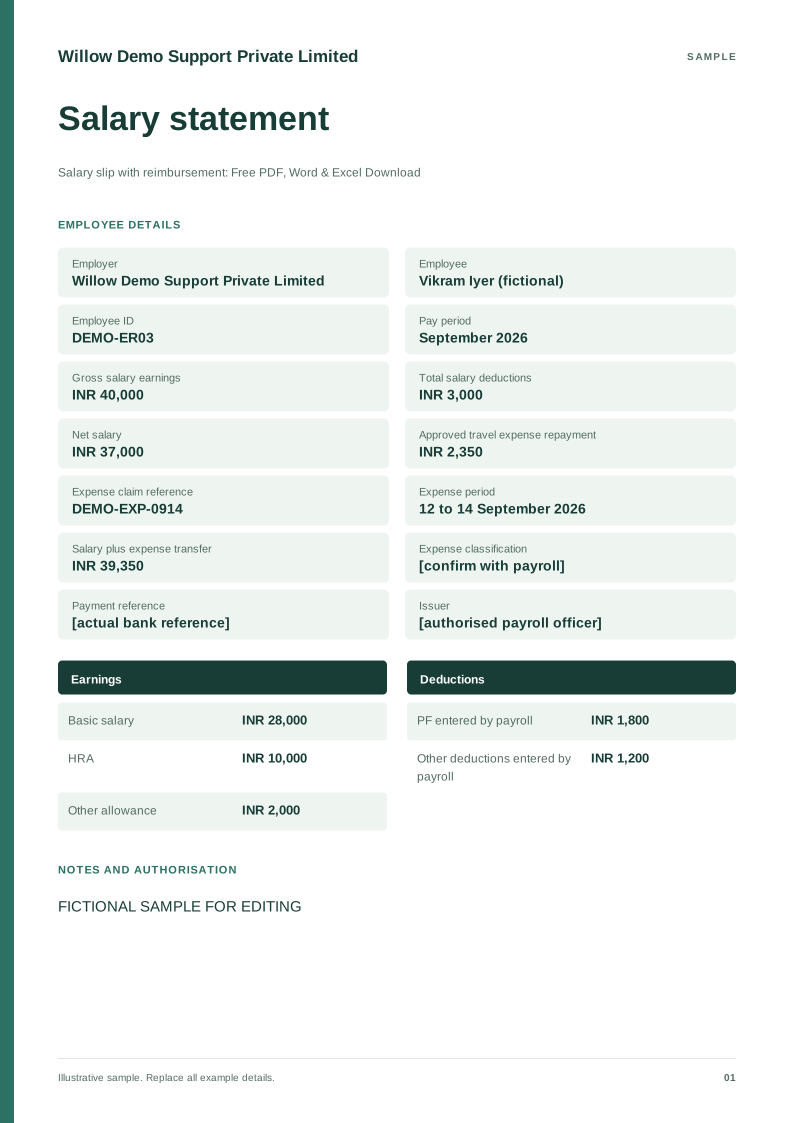
Salary slip with reimbursement
Free PDF, Word and Excel template for salary transfer including an approved expense repayment. Filled sample, checks and local editing.
 Preview & customize ↗
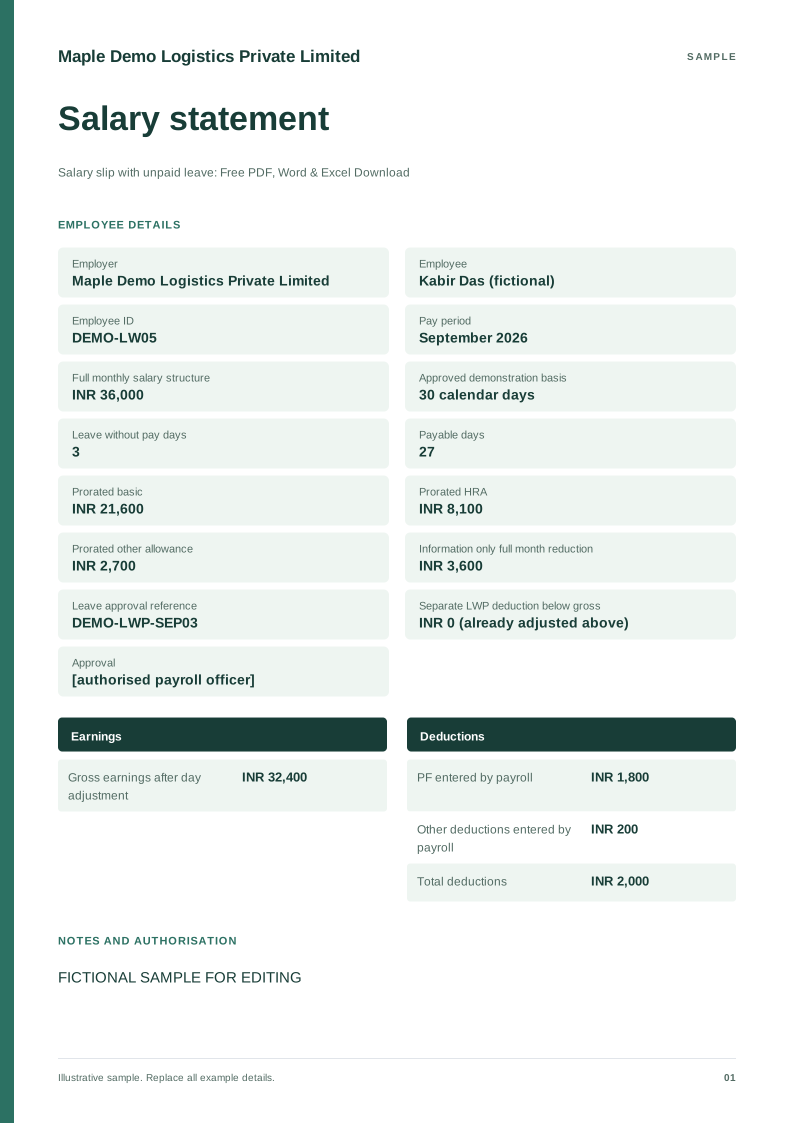
Salary slip with unpaid leave
Free PDF, Word and Excel downloads for pay reduced for approved leave without pay. Includes a fictional filled sample, scenario checks and an editable blank version.
 Preview & customize ↗
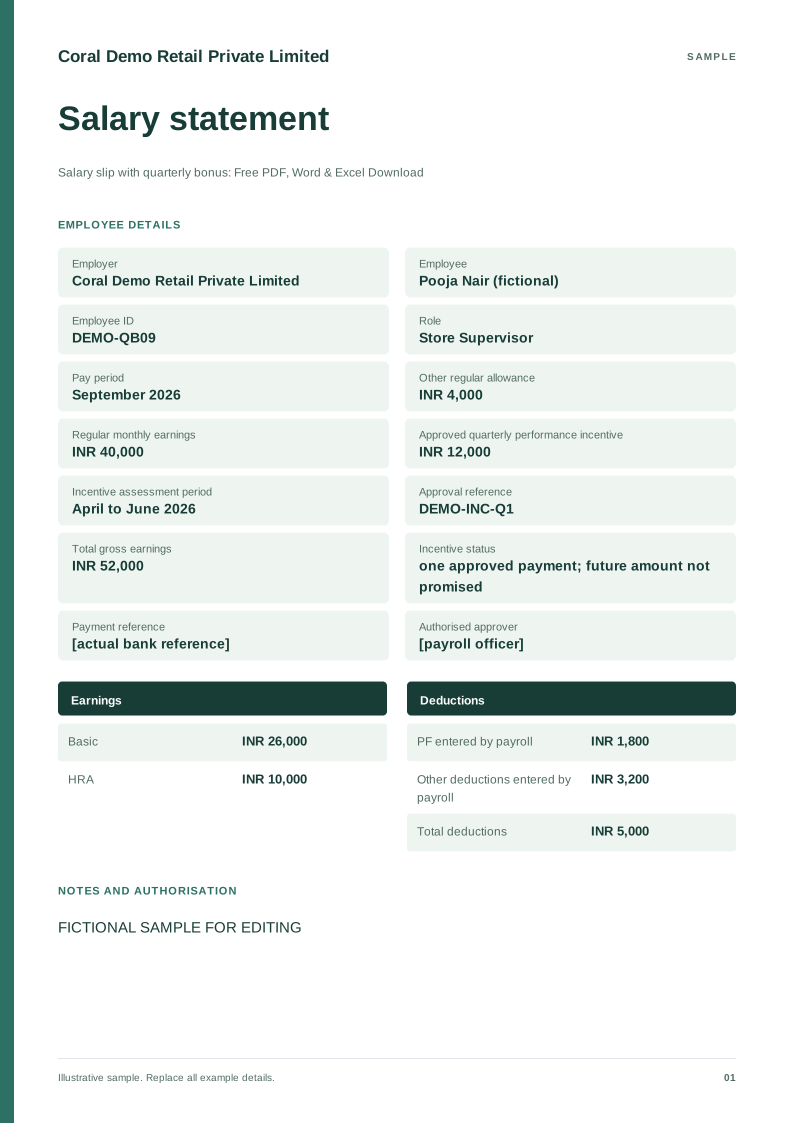
Salary slip with quarterly bonus
Free PDF, Word and Excel template for monthly pay including an approved quarterly incentive. Filled sample, checks and local editing.
 Preview & customize ↗
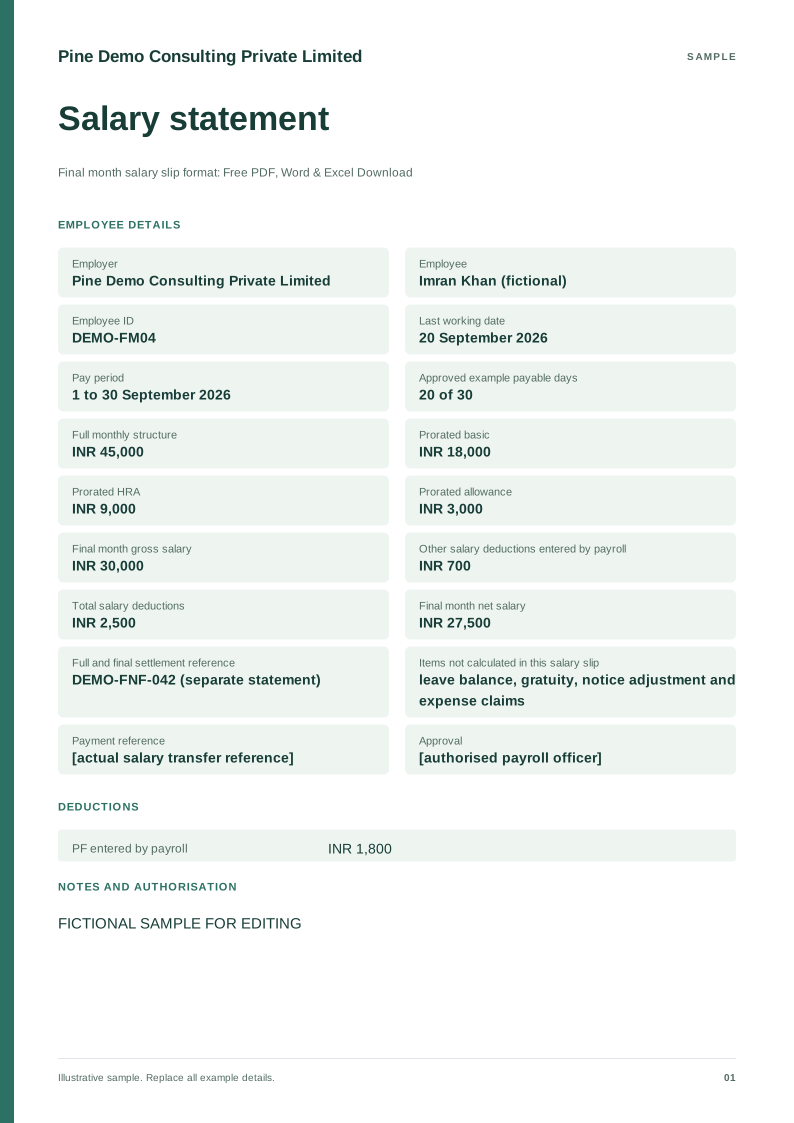
Final month salary slip format
Free PDF, Word and Excel template for last payroll before a separate full and final settlement. Filled sample, checks and local editing.